Showing posts with label lte. Show all posts

Tuesday, November 27, 2012

Phone Buying Advice for the Non-Tech Inclined

Phone buying advice is not hard to find, rather it is hard to avoid. More than that, it is one of the more polarizing topics outside of religion and politics with the tech geek world. There's a fundamental problem with that though, and I've got some basic tips that can help to guide you to picking the right phone for you rather than the Verizon/AT&T/other employee who is selling it to you.

Employees of cell network carriers tend to be pretty familiar with smartphones, but not necessarily all phones. This leads to extremely biased dialog as they suggest their phone to everyone who walks in the door. The problem is that smartphones aren't a one-size-fits-all type of purchase. The people in the greatest need of tech advice get told to purchase a phone that may not be right for them. I have seen it happen several times, and once a person is convinced to buy a phone they will defend that purchase to the death to avoid feeling mislead.

This results in discomfort or malcontent for the phone, and then the user doesn't get to enjoy the phone as they rightfully should after spending that kind of money (monthly and/or up front). It is insulting to the customer, but if they don't know other phones that could more closely meet their needs exist, they'll never see how they've been wronged. Ok, enough of the rant, onto advice.

This article would be extraordinarily long if it were complete, but there are some key points that I'd like to mention.

Don't Get Blinded by "Features"

This point is the most important, and hands down the one that most people fall for - especially when you've got a salesperson telling you that you need phone X because it has the biggest screen, fastest processor, most apps, near-field communications (NFC), or any other feature they point to. This isn't to say these are to be avoided, these features are fantastic, but they aren't all fantastic for every consumer, a fact often overlooked.

The critical piece for the customer is to focus on what they need from their phone, how they plan to use it, and focus on how they can achieve this by prioritizing features. This takes a custom approach for the salesman to understand the user and guide them toward the right purchase for them. It is more time consuming and I have never seen a carrier store employee take the time to do this.


Considerations to make before committing to a purchase...

Screen Size - Things to consider here are what you'll do on the phone (movies, reading, games might warrant more screen space), but also how it affects the size of the phone. How big are your hands, can you reach the far corner when you're holding it with one hand?

Camera Quality - For many, the camera on smartphones has replaced the point and shoot we used to carry around. Do you have kids or puppies that move quickly? Make sure to check review on how quickly the camera snaps shots, how quickly the app opens, and how the quality compares. The built in sharing supporting your favorite social network (or Shared Photo Streams for iOS users) is a plus.

Battery Life - This is important, but more for some than others. Those with desk jobs and 10 chargers laying around might not consider this as critical as those on job sites for 2 days at a time.

Apps - As far as phones go, Android and iOS both have more than you'll ever need for apps. Windows Phone and BlackBerry might not.

"Open" vs. "Closed" - Don't get fooled... I cannot tell you the number of people that I've heard rag on iOS for being "closed" or praising Android for being "open" and NOT be able to back it up with an example of how this was actually a problem for them. There ARE pros and cons for each, but the guy at the Verizon store telling you an iPhone is "closed" (and they all do in my experience) means nothing to the vast majority of people. Before you commit, talk to someone with each platform you're interested in and ask them how they do X or solve problem Y. The odds are very good you'll find satisfactory (or even enjoyable) solutions on every single platform. Note: This is in reference to "normal" tasks from non-tech savvy users. There are examples where this simply doesn't hold true.

Extended Screens - Your smartphone isn't just a smartphone anymore. It is a hub for your life and can be used to broadcast to your TV, stream music to wireless speakers, print (haha, who the hell prints anymore?!), or seamlessly share content. For $99 any iOS device can stream video/audio to an Apple TV. Google is reportedly working on an "open" alternative to that. iOS devices have Shared Photo Streams that shares photos seamlessly via iCloud. These are just a few examples, it is worth considering how well your new phone will integrate with the technology you already have or want to get soon.

Price - Price is a factor to almost everyone, but will you kick yourself for saving $30 and being miserable (or even inconvenienced) for the next 2 years? Sure a toy today has a great deal of appeal, but what if you save up for 4 more weeks and get your dream phone?

Understanding 4G - Not all 4G is the same, and carriers are anything but straightforward with you (unless you meticulously read the fine print). Here's a guide to understanding 4G - Understanding when "4G" isn't 4G.

Accessory Market - How good is the accessory market, and do you need many? People who drop their phones a lot will need a good rugged case, some phones have very few (if any) rugged case options available. Do you need a charging cable everywhere you turn? Are they easily (and cheaply) available? How about a dock for your alarm clock?

Understanding When "4G" isn't 4G


Not All "4G" is Equal

Most carriers are lying to you. I find it a bit insulting, here is what you need to know to make informed decisions about 4G.

The term "4G" is overused, abused, and throughly misleading... thanks to the carriers. Real 4G networks are Long Term Evolution (commonly referred to as LTE) and WiMax (which Sprint is repurposing for prepaid 4G service only). Fake 4G, referred to by most geeks as 3.5G, is HSPA+ and is almost entirely what AT&T and entirely what T-Mobile rely on and call "4G".

You probably recognize "LTE" from Verizon commercials, that is because they're the only carrier that isn't lying to you about their 4G coverage. Here's what I mean... (iPhone 4S users, there's a section specially for you below.)

AT&T

AT&T claims to have the "largest 4G network." This conveniently avoids defining what they mean by "4G" because their coverage isn't actually 4G, it is 3.5G or HSPA+. Here are the coverage maps to compare AT&T vs. Verizon on their 4G LTE coverage.

AT&T 4G LTE Coverage

Verizon 4G LTE Coverage

It is worth mentioning that the places where AT&T has LTE coverage, it is very fast and reportedly satisfactory, same as Verizon.

T-Mobile

The lies don't stop there, T-Mobile has no 4G LTE coverage to speak of, they plan to start building it in 2013.

T-Mobile tries to sell their "4G" network (actually 3.5G) by comparing to other carriers. There's just one problem, they aren't comparing apples to apples. In this head-to-head with Verizon, they compare the Samsung Galaxy SII (T-Mobile) to the iPhone 4S (Verizon). They cover themselves legally by noting this in the fine print, but who reads that? The iPhone 4S on Verizon is a 3G device ONLY. There is no LTE support on the iPhone 4S, and Verizon doesn't have an HSPA+ network (which the iPhone 4S does support if the network does). They compare 3.5G HSPA+ to 3G CDMA, there is no relevant comparison to be made. I call bullshit.

iPhone 4S Users, What You Need to Know

I get the confused questions quite frequently with the iPhone 4S regarding 3G/4G support. The iPhone 4S supports HSPA+, which AT&T has and calls 4G. Verizon doesn't have an HSPA+ network, so Verizon iPhone 4S owners never see "4G" in their status bar. However, AT&T iPhone 4S owners do frequently see "4G" in their status bar. I hope the above article helps to clarify why that is. The iPhone 4S does not support 4G LTE, so when your iPhone 4S reads "4G" it is really 3.5G.

Closing Comments

HSPA+ isn't a bad technology and it doesn't result in slow crummy internet connections. It is quite the opposite in fact. I have no qualm with HSPA+ and I like that AT&T customers have that to fall back on before falling back yet again onto 3G. I just dislike the lack of clarity and false inflation of terms to try to sell you things that aren't accurate.

The argument on the flip side of the coin is that HSPA+ speeds are closer to 4G than to 3G, this is true. I saw HSPA+ called "3.75G" rather than 3.5G, and that might be a more accurate term.

What it all comes down to is understanding the network you rely on all day every day. This can save you money and will hopefully save you from the dreaded (biased as hell) salesmen at the carrier's stores.

I'd love to hear your thoughts/counter-arguments in the comments.

Sunday, November 25, 2012

Understanding When "4G" isn't 4G

Not All "4G" is Equal

Most carriers are lying to you. I find it a bit insulting, here is what you need to know to make informed decisions about 4G.

The term "4G" is overused, abused, and throughly misleading... thanks to the carriers. Real 4G networks are Long Term Evolution (commonly referred to as LTE) and WiMax (which Sprint is repurposing for prepaid 4G service only). Fake 4G, referred to by most geeks as 3.5G, is HSPA+ and is almost entirely what AT&T and entirely what T-Mobile rely on and call "4G".

You probably recognize "LTE" from Verizon commercials, that is because they're the only carrier that isn't lying to you about their 4G coverage. Here's what I mean... (iPhone 4S users, there's a section specially for you below.)

AT&T

AT&T claims to have the "largest 4G network." This conveniently avoids defining what they mean by "4G" because their coverage isn't actually 4G, it is 3.5G or HSPA+. Here are the coverage maps to compare AT&T vs. Verizon on their 4G LTE coverage.

AT&T 4G LTE Coverage

Verizon 4G LTE Coverage

It is worth mentioning that the places where AT&T has LTE coverage, it is very fast and reportedly satisfactory, same as Verizon.

T-Mobile

The lies don't stop there, T-Mobile has no 4G LTE coverage to speak of, they plan to start building it in 2013.

T-Mobile tries to sell their "4G" network (actually 3.5G) by comparing to other carriers. There's just one problem, they aren't comparing apples to apples. In this head-to-head with Verizon, they compare the Samsung Galaxy SII (T-Mobile) to the iPhone 4S (Verizon). They cover themselves legally by noting this in the fine print, but who reads that? The iPhone 4S on Verizon is a 3G device ONLY. There is no LTE support on the iPhone 4S, and Verizon doesn't have an HSPA+ network (which the iPhone 4S does support if the network does). They compare 3.5G HSPA+ to 3G CDMA, there is no relevant comparison to be made. I call bullshit.

iPhone 4S Users, What You Need to Know

I get the confused questions quite frequently with the iPhone 4S regarding 3G/4G support. The iPhone 4S supports HSPA+, which AT&T has and calls 4G. Verizon doesn't have an HSPA+ network, so Verizon iPhone 4S owners never see "4G" in their status bar. However, AT&T iPhone 4S owners do frequently see "4G" in their status bar. I hope the above article helps to clarify why that is. The iPhone 4S does not support 4G LTE, so when your iPhone 4S reads "4G" it is really 3.5G.

Closing Comments

HSPA+ isn't a bad technology and it doesn't result in slow crummy internet connections. It is quite the opposite in fact. I have no qualm with HSPA+ and I like that AT&T customers have that to fall back on before falling back yet again onto 3G. I just dislike the lack of clarity and false inflation of terms to try to sell you things that aren't accurate.

The argument on the flip side of the coin is that HSPA+ speeds are closer to 4G than to 3G, this is true. I saw HSPA+ called "3.75G" rather than 3.5G, and that might be a more accurate term.

What it all comes down to is understanding the network you rely on all day every day. This can save you money and will hopefully save you from the dreaded (biased as hell) salesmen at the carrier's stores.

I'd love to hear your thoughts/counter-arguments in the comments.

Thursday, September 13, 2012

Still No Simultaneous Voice & Data on iPhone 5

In a wildly disappointing turn of events, it has been confirmed that the iPhone 5 running on the Verizon network still won't support simultaneous voice and data. The decision was made due to the need for a 3rd antenna that would be needed to support the feature.

Android phones with LTE compatibility have long since offered simultaneous voice and data on the Verizon network, it was widely expected that Apple will do the same. For the time being, iPhone 5 users will have to rely on data through WiFi while on a voice call like all previous generations of Verizon iPhones.

Sprint has not yet commented what to expect with an iPhone 5 running on their network. AT&T iPhone 5 owners will enjoy simultaneous voice and data as this restriction doesn't affect GSM networks.

Wednesday, September 12, 2012

A Realistic Look at the iPhone 5 Release

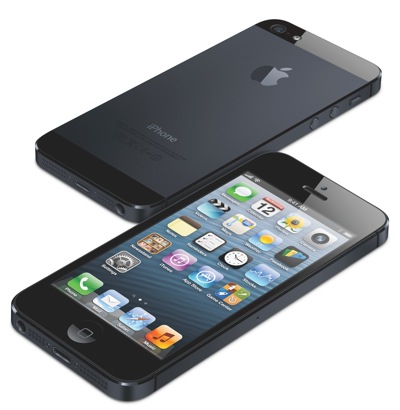
Today Apple announced their next generation iPhone, the iPhone 5. Whether or not you love Apple's best selling line of devices, there is no denying the vast impact it has on the world around it; I mean what other cell phone adds 0.5% to the US GDP?

Source: macrumors.com


Features at a glance:

  • 4" Screen - 1136x640 pixels
  • 4G LTE connectivity (with "world" LTE compatibility)
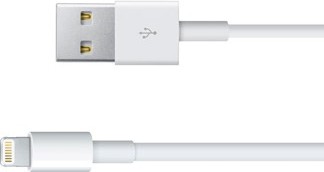
  • New 8 pin dock connector
  • Brushed aluminum back
  • 8MP rear camera with improved low light shooting & ability to take photos while shooting 1080p video
  • 720p front facing FaceTime camera
  • iOS6
  • FaceTime over cell network
  • A6 - 2x faster performance, 2x faster graphics
  • Pre-orders start Friday September 14th, sales start Friday September 21st


The iPhone 5 sports a larger 4" screen (up from 3.5") while maintaining the same width, this gives the larger screen experience without the larger phone feel. The new 4G LTE connectivity brings the iPhone up to speed with the other top smartphones of today.

Note that iPhone 4S devices on the AT&T network have reported "4G" service ever since the iOS5 release, but AT&T's "4G" network is mostly HSPA+, which isn't actually 4G. This is why AT&T's commercials claim they have the most 4G, where Verizon's clearly state they have the most 4G LTE coverage. Both are correct, but nerds everywhere cringe at the suggestion that HSPA+ is "4G"...

The other big news is the new 8 pin dock connector, thus bringing an end to the 9 year reign of the 30 pin dock connector first introduced with iPods in 2003. Despite being a huge disruption in the accessory market for iDevices, it was a necessary update and will not change again for a very long time.

Source: macrumors.com

Why the iPhone 5 is Great
Apple does some things very well. They've taken the industry standard hardware in today's top smartphones and incorporated them into the iPhone 5. It is faster thanks to faster network connectivity options and the new A6 that powers it. It is thinner, a lot thinner; down to 7.6mm. The new metal back is more durable than the previous generations' glass, but with a dual antenna design you don't have to worry about another antennagate issue.

The phone is on par with today's greatest when you match spec for spec, but that isn't what Apple has ever been about. Apple's newest device maintains the industry standard of user experiences, sets the standard for stunning design, and doesn't sacrifice battery life.

This phone is perfect for anyone looking to upgrade their iPhone, or someone looking for an all around enjoyable smartphone experience that is very consistent with the genuinely great user experience you can expect from Apple products. I can say with no reservations, this is a great phone. Faithful Android users, or those looking for a more customizable phone, read on.

Why the iPhone 5 is Disappointing (for some)
Apple set the bar high with the original iPhone, then again with the App Store, again with the retina display on the iPhone 4, and arguably with Siri on the iPhone 4S (not all agree with this last point). This is both incredible and damning to what people have come to expect from Apple because it isn't realistic to expect mind-blowing announcements every year. The reports after the 4S announcement were less enthusiastic than previous generations, but sales numbers told a very different story. I'm hearing similar grumblings this year.

The announcement lacked surprise. Each part of the iPhone had been leaked before - from the A6, to the new screen, aluminum back, thinner form factor, to the new 8 pin dock connector. With Apple's new products being in such high demand, it isn't necessarily Apple's fault (unless the leaks were controlled) that this information got out. One can't help but hope for one big surprise with these announcements, but there wasn't anything of the sort today. The specs of the device aren't record setting, each technology (other than the in-cell touch screen) is available on another phone. But...

Wrap Up
With all of this being said, Apple works hard to make stunningly beautiful devices that work great, are easy to get, and fun to use - they have yet again succeeded with the release of the iPhone 5. This article is to discuss the phone, not to proclaim it as the God of smartphones, so don't bother with "the only good smartphone is the iPhone" or "Everything Apple does sucks" fanboi comments, no one wants to hear it (and for the love of God, give the lawsuit commentary a rest). Capitalism and competition are beautiful things. Both Android and Apple have their perks and flaws, embrace it!

Helpful Links
Apple's Video of the iPhone 5 Announcement
MacRumors Summary
iOS 6 drops September 19th